9 Nov 2026
Tracing Economic Ripple Effects from Unrestricted Betting Hubs on Local Communities
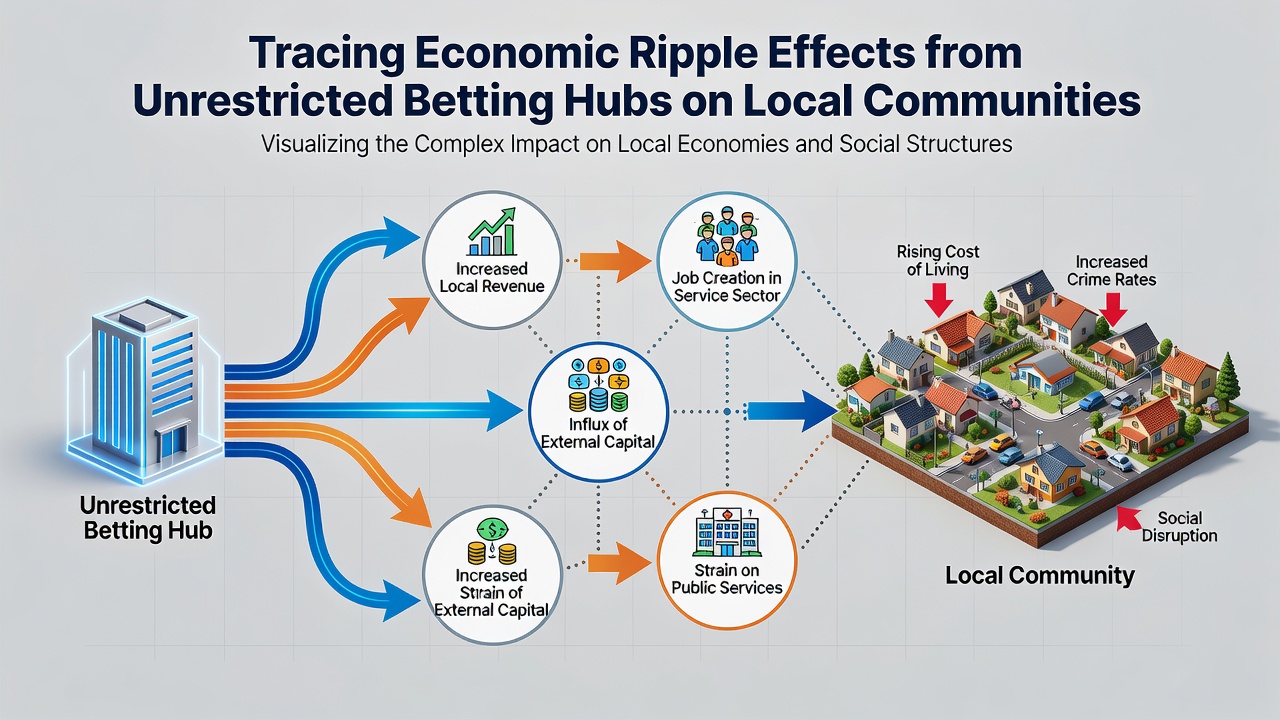
Communities near unrestricted betting hubs often experience layered economic shifts that extend well beyond direct gambling revenue, and these patterns have drawn sustained attention from researchers tracking regional data through November 2026. Employment figures in hospitality and entertainment sectors tend to rise when large-scale venues open, while tax collections from gaming activities frequently support municipal budgets for roads and public safety.
Employment and Wage Patterns
Studies compiled by the University of Nevada, Reno indicate that facilities offering unlimited wagering tables and slots generate thousands of positions in dealer roles, security, food service, and maintenance, with average hourly compensation in these categories outpacing regional retail averages by measurable margins. Local suppliers of linens, produce, and equipment also report expanded contracts, which spreads payroll effects across smaller firms that might otherwise operate at lower capacity.
Yet wage gains do not distribute evenly. Data shows that entry-level positions fill quickly while specialized management roles often recruit from outside the immediate area, limiting upward mobility for long-term residents in some documented cases.
Tourism Inflows and Ancillary Spending
Unrestricted betting venues draw visitors whose expenditures reach hotels, restaurants, retail outlets, and transportation services, and figures from Australian gambling research centers reveal multiplier effects where each dollar spent inside a hub correlates with additional spending in nearby districts. Airport passenger counts and hotel occupancy rates climb in tandem with gaming floor expansions, creating seasonal peaks that local operators plan around months in advance.
Public Revenue and Infrastructure Strain
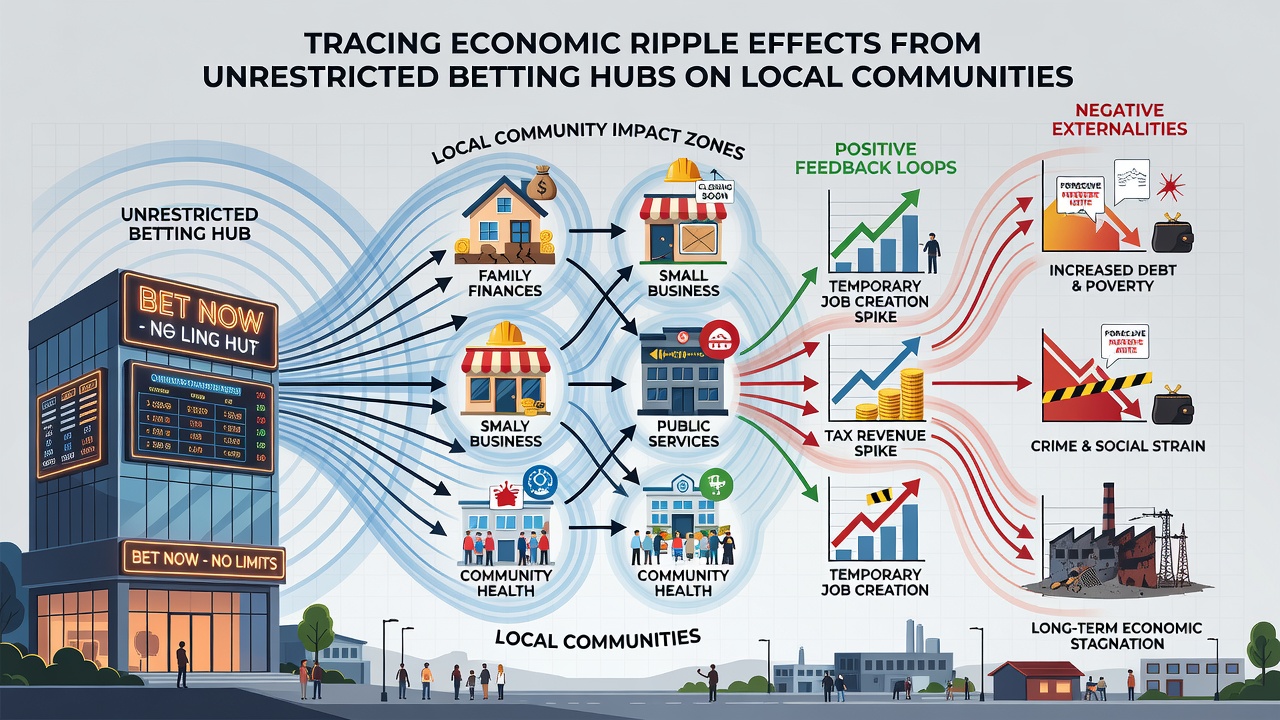
Gaming taxes collected from high-limit operations have funded capital projects in multiple jurisdictions, and government dashboards updated through late 2026 list new transit links and community centers built with those proceeds. At the same time, increased foot traffic correlates with higher demands on emergency services and road maintenance, prompting some municipalities to renegotiate contribution agreements with venue operators to cover incremental costs.
Observers note that property values near these hubs sometimes appreciate, which raises assessment revenues but also displaces certain long-standing small businesses unable to absorb rising lease rates.
Business Composition Shifts
Retail corridors adjacent to unrestricted betting sites frequently see growth in convenience stores, bars, and souvenir outlets, whereas independent bookstores or specialty shops may record reduced foot traffic according to chamber-of-commerce surveys. Economists tracking these changes point to altered consumer time allocation, where visitors prioritize gaming over extended shopping excursions, though the net sales volume for the district as a whole often remains positive.
Cross-Regional Comparisons
Canadian provincial reports document similar trajectories in areas that introduced high-stakes facilities, with employment gains concentrated in the first three years followed by stabilization as markets mature. European regulatory filings from the same period highlight parallel infrastructure investments alongside rising expenditures on addiction support programs, illustrating how revenue streams and service demands evolve together.
Conclusion
Tracking these ripple effects requires ongoing collection of employment, tax, tourism, and service-utilization statistics, and analysts continue to refine models that isolate gaming-related variables from broader economic cycles. Communities considering new unrestricted venues therefore examine both the documented inflows and the associated public expenditures to project net fiscal positions over five- and ten-year horizons.