23 Nov 2026
How Smart Contracts Are Redefining Payout Systems in Unrestricted Gaming Hubs
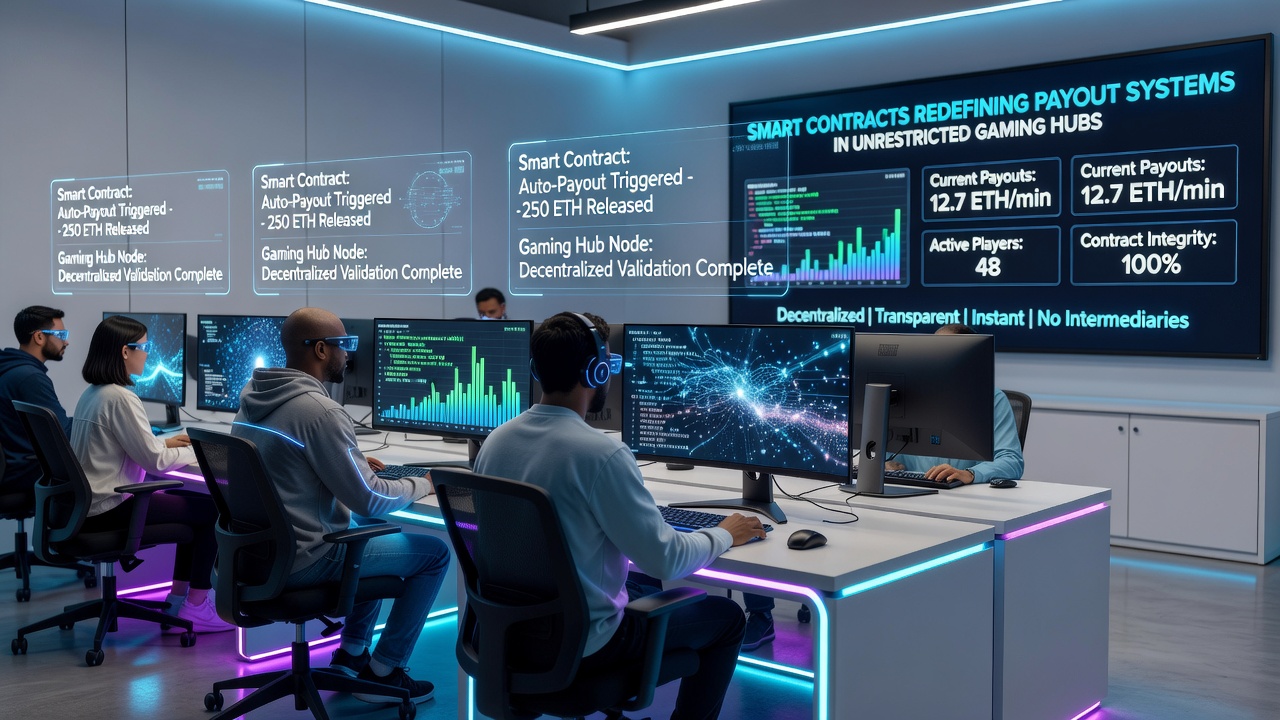
Smart contracts operate as self-executing code on blockchain networks, and they handle payout distributions in unrestricted gaming hubs by triggering automatic transfers once predefined conditions receive verification through consensus mechanisms. These systems eliminate manual intervention from operators while reducing processing times from days to seconds in many documented cases. Data from multiple blockchain analytics platforms shows transaction volumes in gaming applications grew substantially between 2024 and 2026, with several platforms reporting settlement speeds under thirty seconds for verified wins.
Core Mechanics of Automated Payouts
Operators integrate smart contracts into platform architecture so that game outcomes feed directly into contract conditions, and funds move to player wallets without requiring separate approval steps. This structure relies on oracles that supply real-time data from game servers, and the contracts then execute based on cryptographic proofs rather than human review. Researchers at institutions tracking distributed ledger applications note that platforms using these contracts report fewer disputes over payout accuracy because every transaction remains permanently recorded on the immutable ledger.
Multiple unrestricted venues adopted this model after observing reduced operational overhead, while players gained access to instant verification tools that display contract code and transaction history in public explorers. Figures from industry reports indicate that average payout latency dropped by over seventy percent in venues that transitioned from traditional banking rails to on-chain settlements during the 2025 calendar year.
Regional Implementation Patterns Through Late 2026
European operators began testing smart contract payout layers in 2024, and several expanded those pilots into full production environments by mid-2026. Australian regulatory frameworks encouraged similar experiments through sandbox programs that allowed limited live deployments, and data collected from those trials showed measurable decreases in reconciliation errors. In North American jurisdictions with permissive frameworks, a handful of offshore-facing platforms incorporated the technology to serve international users who prefer rapid cross-border transfers.
November 2026 brought additional clarity when several Asian-Pacific licensing bodies released updated guidance documents outlining acceptable oracle standards and audit requirements for smart contract systems. Those documents emphasized the need for third-party code reviews and continuous monitoring of oracle reliability, which operators then incorporated into their compliance workflows. Observers tracking these developments point out that the updated rules aligned payout transparency expectations across multiple markets without imposing uniform technical mandates.
Security and Transparency Considerations
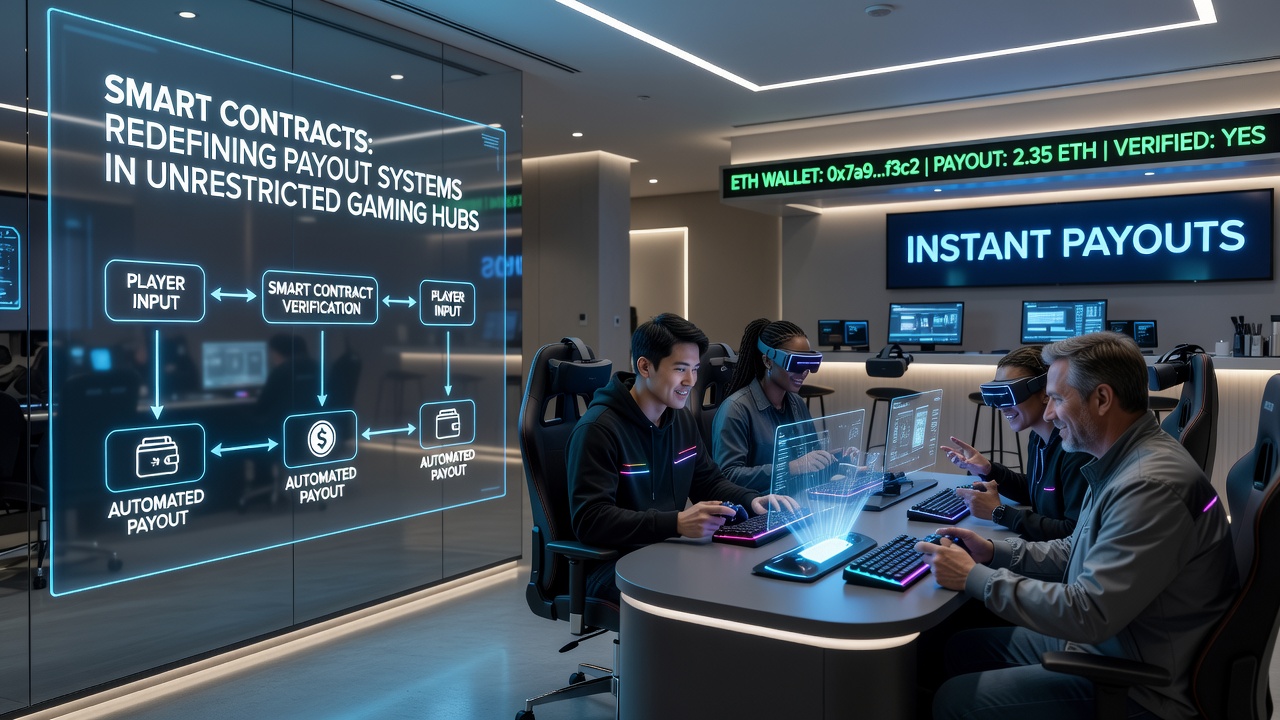
Smart contract deployments undergo formal verification processes before activation, and independent auditors examine code for reentrancy vulnerabilities or logic gaps that could affect fund movements. Platforms that publish their contract addresses allow players and regulators to inspect execution history directly on public blockchains, which creates an auditable trail without exposing sensitive user data. Studies from academic groups examining distributed ledger security have documented that properly audited contracts experience significantly fewer exploit incidents than unaudited versions.
Operators also maintain reserve mechanisms in stablecoin or fiat-backed tokens to cover large wins, and automated top-up triggers activate when contract balances fall below predetermined thresholds. This combination of on-chain execution and off-chain liquidity management supports uninterrupted operations even during peak activity periods. Reports from gaming technology conferences held in 2026 highlighted case examples where such hybrid models processed multi-million-dollar payout volumes without settlement failures.
Integration with Existing Infrastructure
Many unrestricted hubs maintain hybrid systems that connect traditional payment processors to blockchain layers, allowing players to choose between conventional banking options and direct wallet transfers. The smart contract component activates primarily for the latter, handling the final settlement step once identity verification and game outcome validation complete through separate compliance modules. This layered approach accommodates regulatory requirements that still mandate know-your-customer checks while delivering the speed advantages of automated execution.
Technical teams at several large platforms describe the integration process as involving standardized application programming interfaces that feed game server outputs into oracle networks, and those oracles then trigger contract functions. Updates to these interfaces occurred throughout 2026 as newer blockchain protocols introduced lower transaction fees and higher throughput capacities.
Future Trajectory and Ongoing Developments
Industry associations continue to publish best-practice guidelines for smart contract governance in gaming contexts, and academic researchers release periodic analyses of settlement data from live platforms. These efforts focus on standardizing oracle selection criteria and establishing benchmarks for contract upgrade procedures that preserve audit trails. Observers note that the combination of regulatory clarity and technical maturation positions smart contract payouts as a standard feature in many unrestricted environments by the end of the decade.
Conclusion
Smart contracts have shifted payout mechanics in unrestricted gaming hubs toward automated, verifiable processes that rely on code execution rather than manual approvals. Implementation data through November 2026 demonstrates consistent reductions in processing times and dispute rates across multiple regions, while ongoing regulatory updates and technical improvements continue to refine security and integration standards. The documented outcomes reflect measurable changes in operational efficiency that operators and players both experience directly through faster settlements and transparent transaction records.